

 Português
 English
 日本語
日本語
 한국어
한국어
 简体中文
简体中文
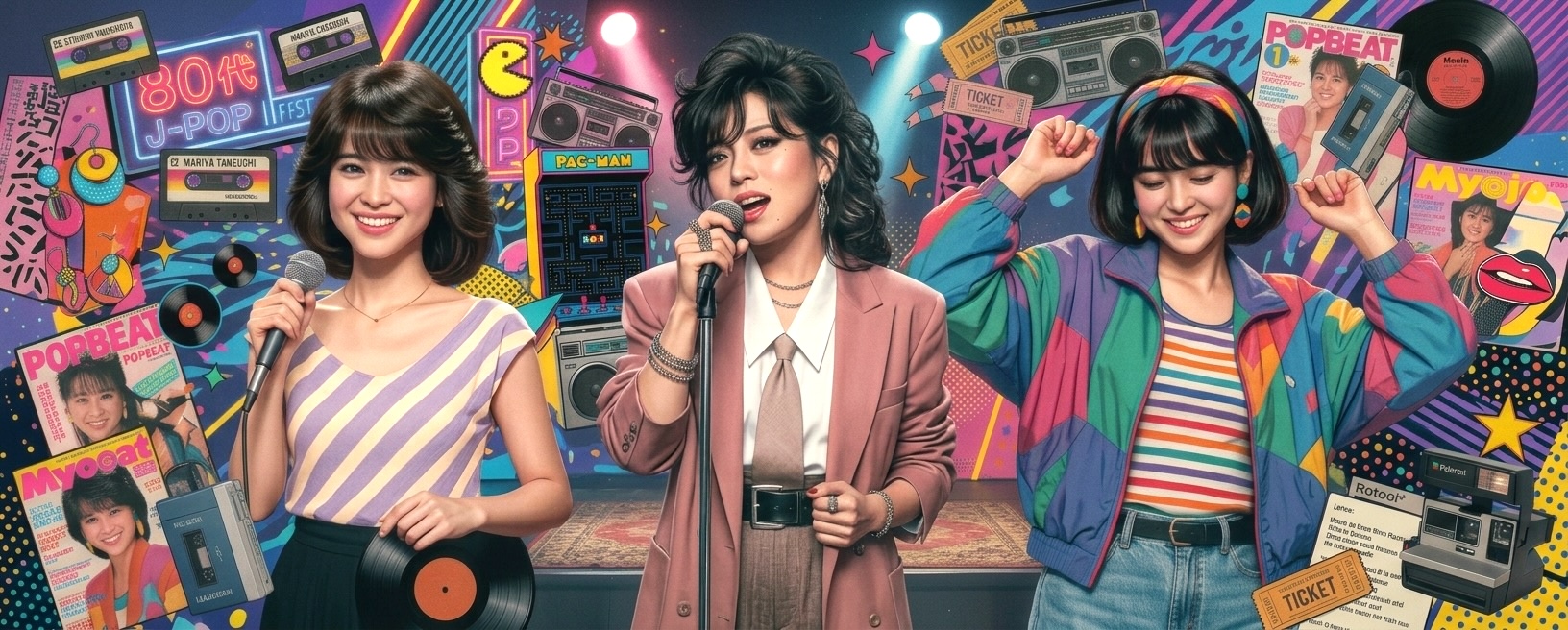

If you discover 1980s Japanese music through YouTube or streaming today, it is easy to get a distorted picture of who was actually famous at the time.
Some songs that became international favorites decades later were only modest hits when they were released. Meanwhile, artists who dominated Japanese television, magazines and record charts throughout the 1980s may be less familiar overseas.
So who actually defined female Japanese pop in the 1980s?
A good place to start is with four names: Seiko Matsuda, Akina Nakamori, Kyoko Koizumi and Anri.
But first, there is an important distinction.
Idols and singers were not quite the same thing
The Japanese idol was more than a singer.
Idols appeared constantly on television music shows, variety programs, magazine covers and advertisements. Their clothes and hairstyles could become national trends, and their careers were closely connected to weekly rankings and programs such as NHK's Kōhaku Uta Gassen.
Seiko Matsuda, Akina Nakamori and Kyoko Koizumi came from this world.
At the same time, Japan had popular singers and singer-songwriters whose careers were much more centered around their music, albums and vocal identity.
Anri belongs to this second group.
That difference becomes important when looking back at the decade.
Seiko Matsuda: the bright national idol
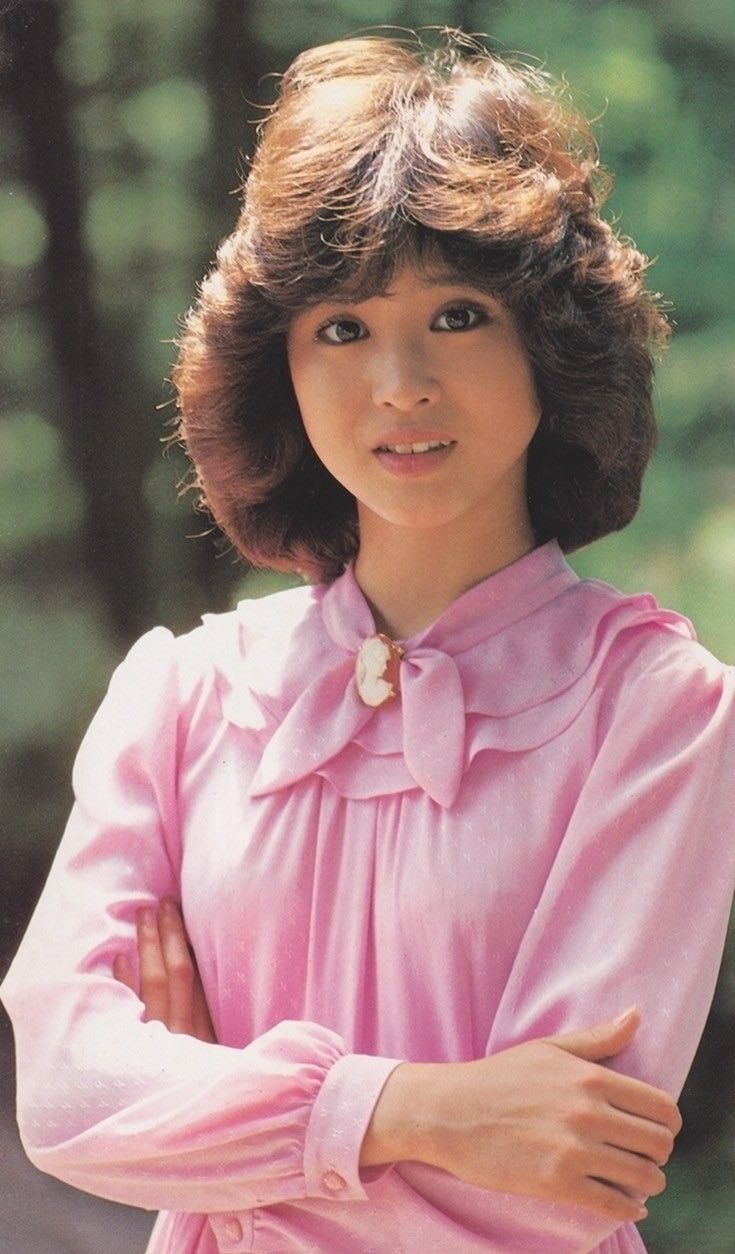
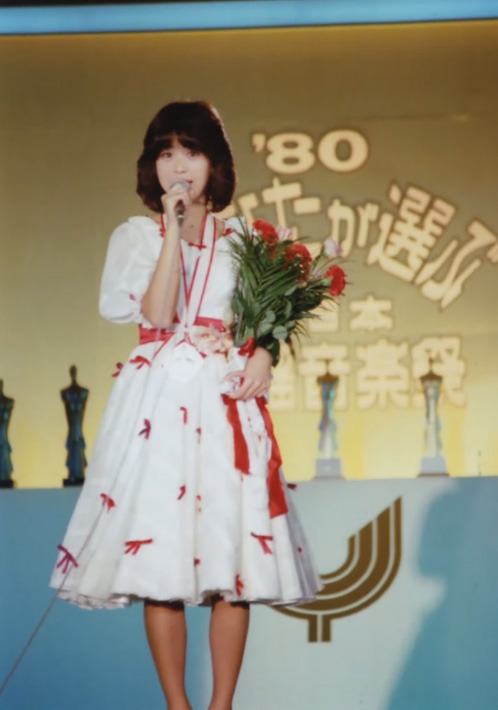
Few people represent the early 1980s Japanese idol boom better than Seiko Matsuda.
She debuted in 1980 and broke through with Aoi Sangoshō. Her next single, Kaze wa Aki Iro, became her first Oricon No. 1 and started an extraordinary run of 24 consecutive No. 1 singles.
Her influence went beyond music. The famous “Seiko-chan cut” hairstyle was copied across Japan, showing how closely idols were connected to fashion and youth culture.
Songs such as Akai Sweet Pea, Natsu no Tobira and SWEET MEMORIES made her one of the defining faces and voices of the decade.
Akina Nakamori: the darker, more dramatic rival
If Seiko represented brightness and polished optimism, Akina Nakamori offered something more intense.
She debuted in 1982 and quickly became one of Japan's biggest idols, with a deeper voice, more dramatic performances and songs that often had a stronger emotional tone.
By the middle of the decade, she was at the absolute peak of Japanese popular music.
She won the Japan Record Award in 1985 with Meu amor é... and again in 1986 with DESIRE, two consecutive victories at one of Japan's most important music awards.
Songs such as Shōjo A, Second Love, Kazari ja Nai no yo Namida wa and DESIRE show how different her persona could feel from Seiko's, even though both belonged to the idol world.
Kyoko Koizumi: the other essential idol name
Seiko and Akina were the two giants, but the decade was not simply a two-person story.
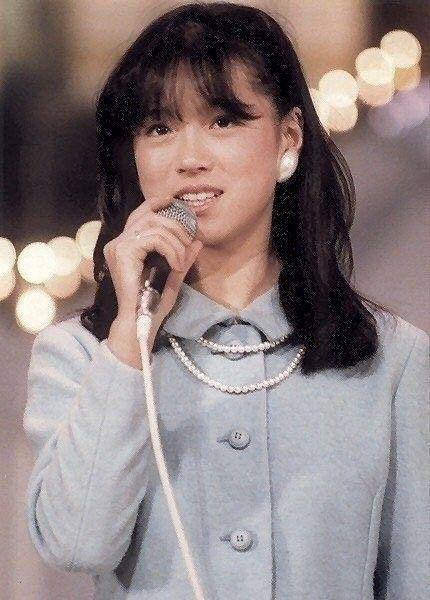
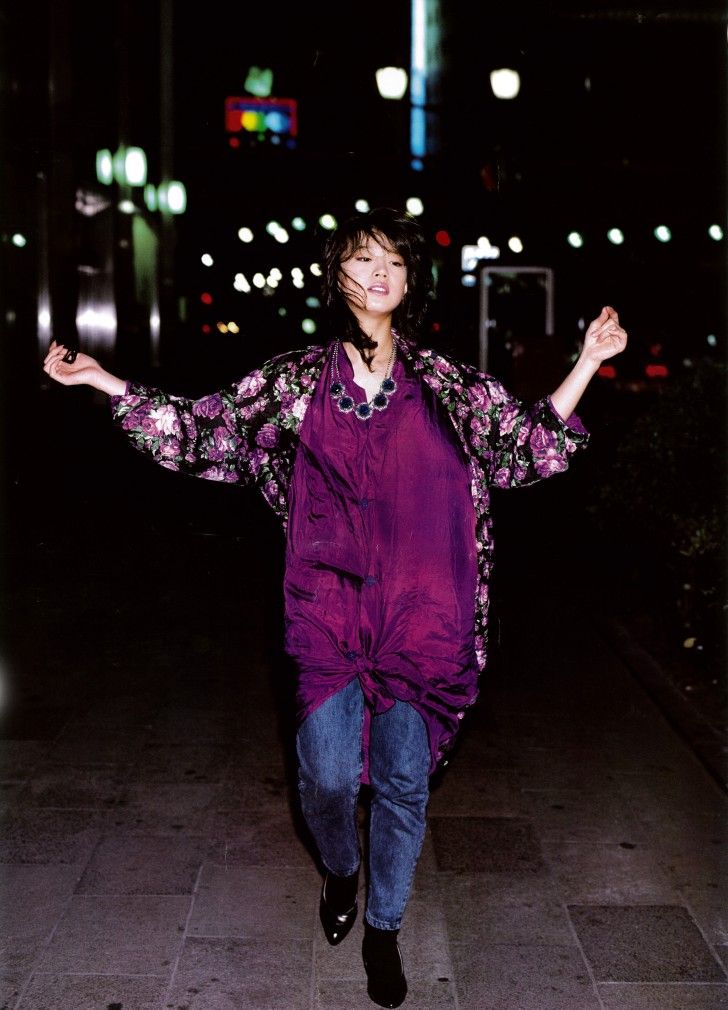
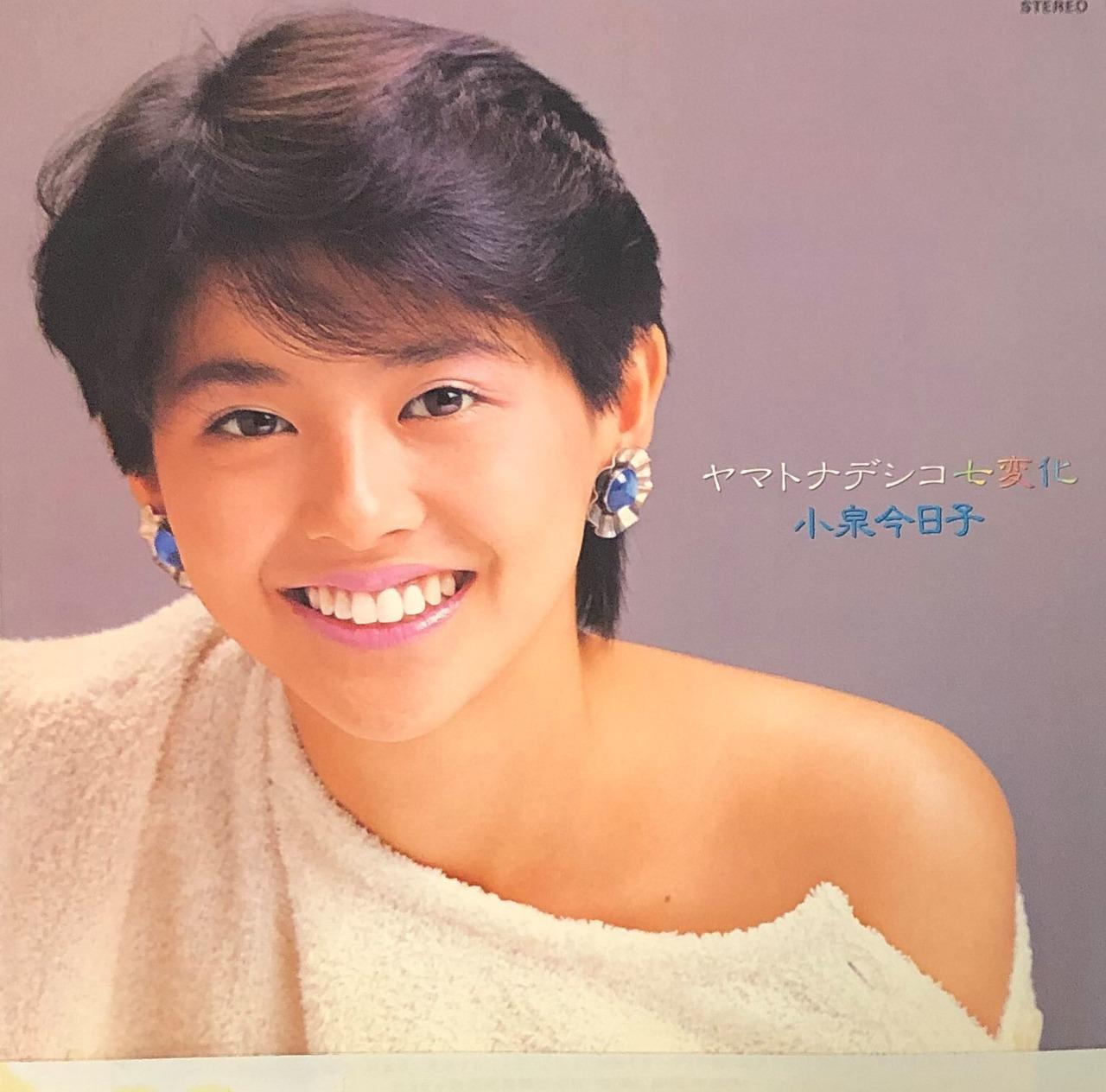
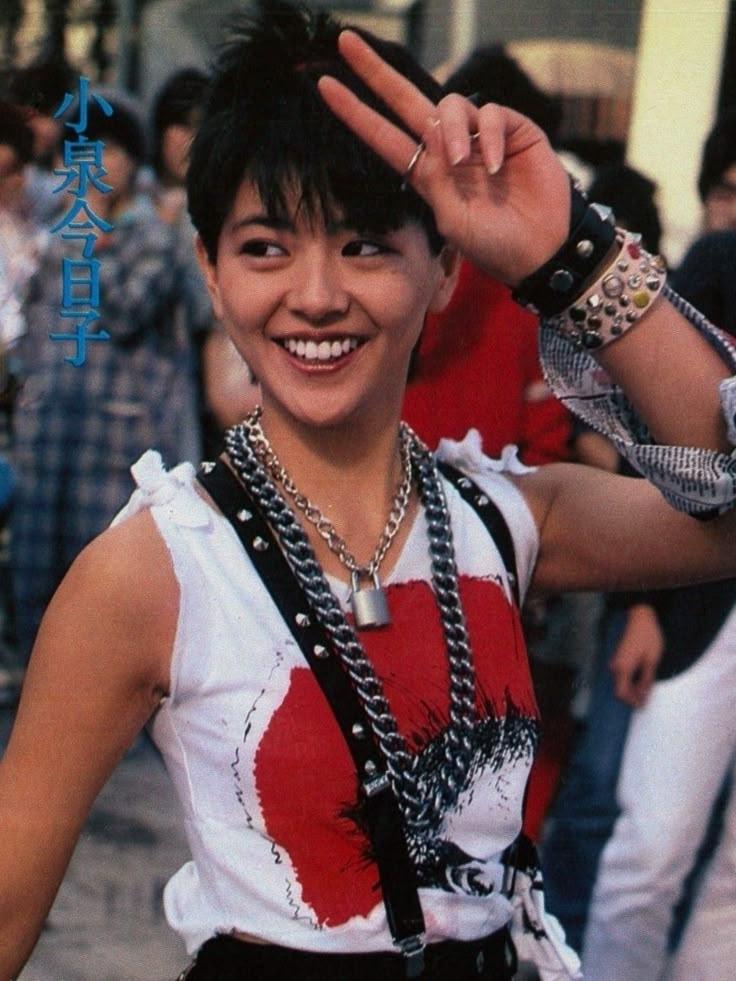
Kyoko Koizumi, who debuted in 1982, became another of the era's most recognizable idols.
She was not on the same level as Seiko in total chart dominance, but she had several major hits of her own. In 1984 alone, Nagisa no Haikara Ningyō, Meikyū no Andorōra, Yamato Nadeshiko Shichi Henge and The Stardust Memory all reached No. 1 on Oricon.
Anri: another side of 1980s Japanese pop
Then there is Anri.
She should not be described as an idol.
Anri was a singer and songwriter who represented a different side of mainstream Japanese pop: radio, summer, nightlife, sophisticated arrangements and television themes.
Her breakthrough came in 1983 with CAT'S EYE, the theme song for the anime of the same name. It reached No. 1 on Oricon; her follow-up Kanashimi ga Tomaranai reached No. 4.
CAT'S EYE was not simply an anime song known among fans. It became a genuine mainstream pop hit.
That same period gave us the album Timely!!, and songs such as Kanashimi ga Tomaranai and Remember Summer Days capture another important atmosphere of Japanese pop in the 1980s: more adult, more nocturnal and less connected to the idol machinery.
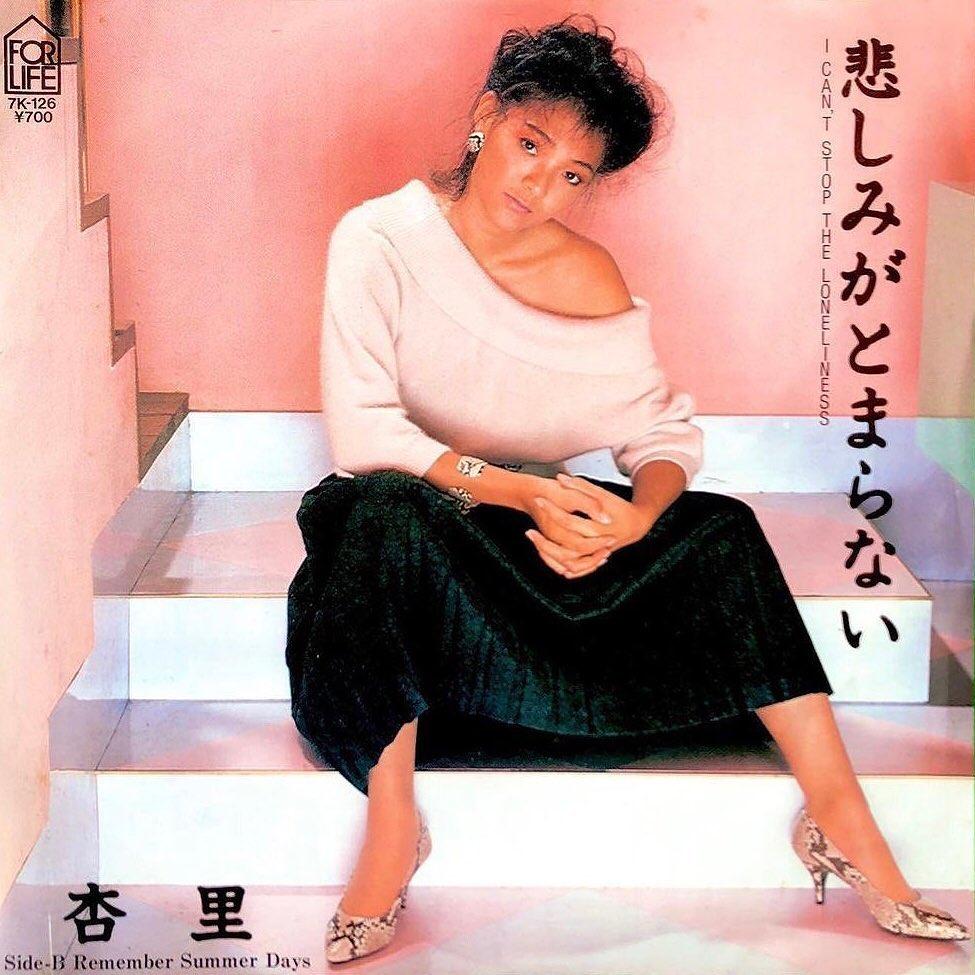
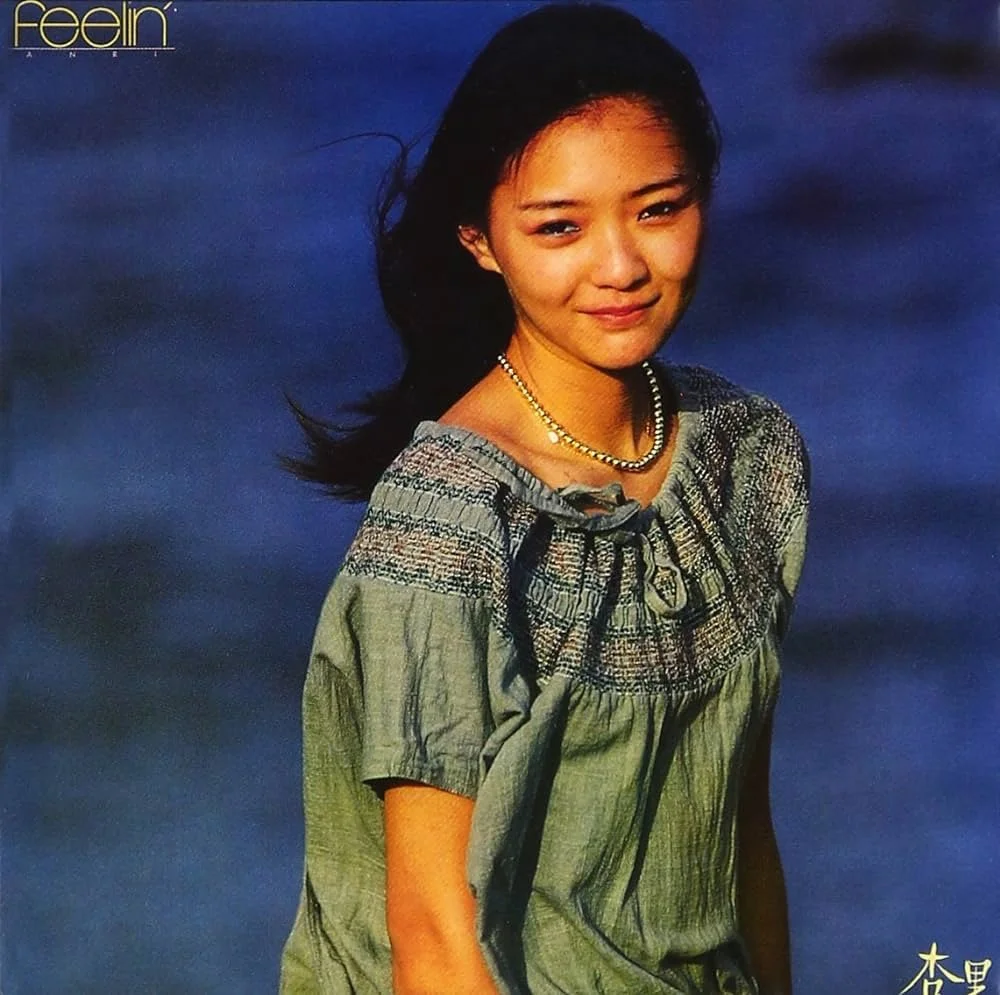
Photo placement: the original “Kanashimi ga Tomaranai” sleeve works especially well here because it visually separates Anri from the colorful idol imagery above.
And who else was famous?
The decade had many more major female stars.
Naoko Kawai, Hiroko Yakushimaru, Yu Hayami, Iyo Matsumoto, Yoko Oginome, Yukiko Okada, and later artists such as Miho Nakayamawere all highly visible names.
The important point is that 1980s Japanese female pop was a very crowded, competitive mainstream culture. Television audiences were seeing new singles and artists almost every week.
Why today's internet can rewrite the hierarchy
This is where modern listeners can easily get confused.
Miki Matsubara's Mayonaka no Door / Stay With Me, for example, is now one of the best-known Japanese songs internationally from around that period.
But Matsubara was not one of the defining superstar figures of the 1980s in Japan. She was a professional working singer whose song found an extraordinary new international audience decades later.
The same distinction matters with Mariya Takeuchi's Plastic Love.
Takeuchi was already a recognized singer-songwriter, and her album VARIETY was successful. But Plastic Love itself was not one of the great singles of 1984. Its worldwide status came much later.
That does not make either artist less interesting.
It simply means that:
“Who is famous internationally today?” and “Who dominated Japanese pop in the 1980s?” are two different questions.
A quick listening guide
If you want to hear the decade through songs that were genuinely part of Japanese mainstream culture at the time, start here:
- Seiko Matsuda: Aoi Sangoshō, Akai Sweet Pea, SWEET MEMORIES
- Akina Nakamori: Shōjo A, Second Love, DESIRE
- Kyoko Koizumi: Nagisa no Haikara Ningyō, Yamato Nadeshiko Shichi Henge
- Anri: CAT'S EYE, Kanashimi ga Tomaranai
These four artists do not represent every woman who mattered in Japanese music during the 1980s.
But they give you a much better map of the decade: Seiko and Akina at the center of the idol phenomenon, Kyoko as another major idol of the era, and Anri showing the equally important world of mainstream singers outside it.
And that is a much closer picture of what Japanese audiences were actually watching and listening to in the 1980s.